

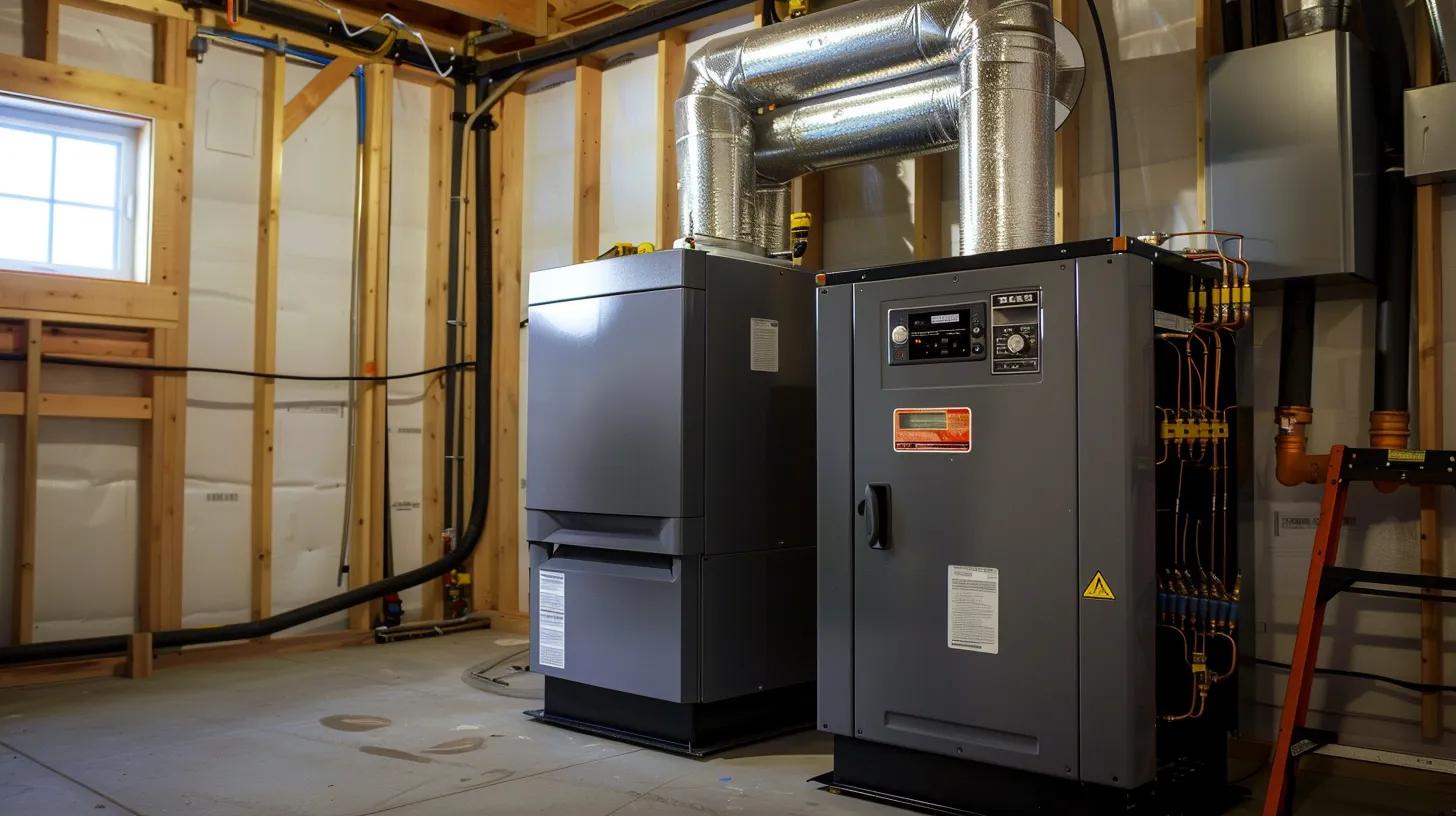
How to Accurately Size Your Furnace: BTU Calculator & Manual J
Picking the correct furnace size starts with understanding BTU (heating capacity per hour) and matching that capacity to your building’s actual heat loss. This guide walks you through the basics of furnace sizing, offers practical square-foot and Edmonton‑adjusted rules of thumb, and explains Manual J load calculations and how to use a BTU calculator so you can make a confident choice. Many owners end up with short cycling, uneven temperatures, or high bills because they rely on general rules instead of room‑by‑room numbers; this article gives clear, step‑by‑step guidance to avoid those mistakes. You’ll learn what BTU means, how insulation and windows affect heat loss, why AFUE matters, and when a calculator is fine versus when you should hire a pro for a Manual J. Later sections list warning signs, fixes, and three handy reference tables that convert square footage, efficiency, and outcomes into actionable figures. By the end you’ll know when a DIY estimate is acceptable and when it’s worth booking a professional assessment — including local financing options for Edmonton properties.
What Furnace Size Means — and Why It Matters
Furnace size is the unit’s input heat rated in BTU per hour and it defines how much heat the system can replace under design conditions. The right-sized furnace keeps your home comfortable, runs efficiently, and lasts longer because it avoids excessive on/off cycling. In Edmonton’s cold climate, correct sizing reduces cold spots and helps keep seasonal operating costs predictable. Understanding furnace size leads naturally into the units we use to measure heat and how capacity should match your building’s calculated load.
What BTU Actually Means and How It Relates to Furnace Capacity
BTU — British Thermal Unit — is the energy needed to raise one pound of water by one degree Fahrenheit; in HVAC we express it as BTU per hour to show heating power. Furnaces are rated by input BTU; the unit’s AFUE (efficiency) determines how much of that input becomes usable heat. For example, a 100,000 BTU input furnace at 90% AFUE produces about 90,000 BTU of usable heat per hour. When sizing equipment, technicians convert required usable heat into the input rating that matches the furnace model while accounting for distribution losses and local climate demands.
Why Correct Sizing Is Critical for Comfort and Efficiency
Right sizing gives stable run times that hold your setpoint, control humidity, and minimize wear from frequent starts and stops. Longer, steady cycles enable efficient combustion and stable airflow, which protects the heat exchanger and blower. Proper sizing also needs to match the ductwork and zoning so heat is delivered evenly — a mismatch between capacity and distribution often creates hot or cold rooms. That’s why a careful sizing process should come before purchase or replacement.
How to Estimate Furnace Size by Square Foot for Homes and Businesses
Square‑foot rules of thumb give a quick starting BTU range by multiplying conditioned area by a climate‑adjusted factor, but they’re only an approximation and must be refined for insulation, windows, and layout. In Edmonton, expect to use a higher BTU‑per‑sq‑ft factor than milder climates to cover colder design temperatures. Use the square‑foot method as an initial screen, then refine with room‑by‑room adjustments or a Manual J for accuracy. Below is a practical reference table for common home sizes in Edmonton to help start your estimate and understand the limits of the square‑foot approach.
Different home sizes need different starter BTU ranges in Edmonton’s climate; treat this table as a first pass and refine for envelope quality and window area.
| Home Size (conditioned sq ft) | Suggested Starter BTU Range (Edmonton) | Typical Example |
|---|---|---|
| 800 – 1,200 | 40,000 – 60,000 BTU/h | Small bungalow |
| 1,200 – 2,000 | 60,000 – 110,000 BTU/h | 2‑bed family home |
| 2,000 – 3,000 | 110,000 – 180,000 BTU/h | Large detached |
Use this table for quick orientation; the next step is to adjust these starter numbers for insulation, windows, and internal heat gains.
Before we list specific envelope effects, consider the main factors that change square‑foot estimates.
- Insulation R‑value: Better R‑values cut heat loss and reduce required BTU.
- Window type and area: Large or older windows significantly raise heat loss.
- Ceiling height and layout: Taller ceilings or complex floor plans increase the volume to heat.
Those factors show why square‑foot rules should lead to a more detailed load calculation; the next section explains how insulation, windows, and climate shift the starter values.
Typical BTU per Square Foot for Edmonton’s Climate
Because Edmonton has long, cold winters, starter values are higher than in moderate climates. A common baseline for typical insulated homes is roughly 40–60 BTU per sq ft as an initial estimate. Newer, well‑insulated houses tend toward the lower end; older or poorly insulated homes move to the higher end. Use these ranges for planning, then refine using specific envelope, orientation, and occupancy details.
How Insulation, Windows and Climate Change Furnace Size Needs
Higher insulation R‑values reduce heat transfer through walls and ceilings and lower hourly BTU demand for a given indoor setpoint and outdoor temperature. Window type — single, double, or triple pane — and total glazed area make a big difference: older single‑pane windows can double localized heat loss compared with modern glazing. Climate, represented by heating‑degree days and design temperature, establishes the baseline severity of heating demand — colder zones need larger capacity buffers. Together these factors dictate how you adjust the starter BTU‑per‑sq‑ft numbers and when a Manual J is needed for precision.
What Is a Manual J Load Calculation and When to Use It
Manual J is the industry standard room‑by‑room heat‑loss calculation that determines precise heating (and cooling) requirements using detailed inputs: insulation, orientation, windows, infiltration, and internal gains. Developed by the ACCA, Manual J quantifies heat loss per room and totals those values to recommend the correct furnace input capacity and distribution approach. Doing a Manual J removes the guesswork of rules‑of‑thumb and reduces the risk of over‑ or under‑sizing equipment — improving comfort and lowering operating costs. Knowing how Manual J is done helps you understand when DIY estimates fall short and when to request a certified assessment.
How a Professional Manual J Finds the Right Furnace Size
A professional Manual J starts with data collection and room‑by‑room heat‑loss math, usually using ACCA‑compliant software. Technicians verify wall, floor and ceiling assemblies, window areas and U‑values, orientation and shading, infiltration, and internal gains from occupants and equipment to model worst‑case heating conditions. The result gives the required BTU per hour at design temperature and can be paired with ductwork analysis to size the distribution system. This detailed method produces a recommendation that minimizes cycling and balances comfort across zones.
After seeing how Manual J works, it’s fair to ask what you risk by skipping it and relying solely on general rules.
Risks of DIY Sizing Without a Manual J
DIY sizing commonly underestimates infiltration or misreads insulation, leading to systems that short cycle, can’t hold setpoints, or run excessively long and wear out faster. Oversized furnaces cycle frequently, hurting humidity control and increasing service calls; undersized units run continuously and may not protect plumbing or provide comfort during extreme cold. Mistakes in sizing can raise fuel bills or force premature replacement — costly compared with the modest price of a professional Manual J. For major renovations, multi‑level homes, or unusual layouts, we strongly recommend a professional assessment.
Mobil Heating & Air Conditioning Inc. performs professional load assessments and Manual J‑style evaluations to verify calculator results and produce accurate installation quotes. If you want an assessment tailored to Edmonton’s climate and your building’s specifics, schedule a sizing appointment with our local team experienced in residential and commercial projects.
How to Use a Furnace BTU Calculator Correctly
A BTU calculator converts inputs like square footage, insulation level, window types, ceiling height, and climate zone into a suggested BTU range and is a fast way to screen options. Calculators vary: simple tools use preset BTU‑per‑sq‑ft factors, while advanced tools accept room‑level inputs and occupancy for tighter estimates. Treat calculator results as a confidence range, not a final specification, and use them to guide discussions with HVAC professionals. The section below lists the inputs that improve accuracy and explains when to escalate to a professional check.
A reliable calculator needs a specific set of inputs to approach Manual J accuracy; provide these when possible.
- Conditioned square footage and layout: Room sizes and adjacencies affect distribution.
- Insulation levels (R‑values) and assemblies: Specify attic, wall and floor insulation where you can.
- Window types and total glazed area: Include window count, pane type and orientation.
With accurate inputs the calculator gives a useful BTU estimate, but always review the result and be ready to refine it with a professional.
Calculators have limits. Consult a pro when you have multi‑zone systems, big remodels, or calculator outputs that span a wide BTU range. A field assessment and Manual J verification will ensure reliable sizing and compatible ductwork design.
What Inputs Make a Calculator Reliable?
Good calculators accept conditioned floor area and a basic room layout rather than a single net square‑foot number. They should allow inputs for attic, wall and floor insulation, window type and area, ceiling height, and local design temperature or climate zone. Adding occupancy and internal equipment gains reduces the chance of over‑sizing; for commercial spaces include scheduled occupancy and equipment loads. Accurate inputs narrow the calculator’s confidence range and make the result far more useful.
Consequences of Choosing the Wrong Furnace Size
Wrong furnace sizing creates operational and comfort trade‑offs: oversized units short cycle and have trouble with humidity control, while undersized units run constantly, consume more energy, and may fail during extreme cold. Correct sizing keeps cycles steady, controls humidity, and matches airflow through ducts — protecting equipment and improving comfort. The table below highlights key differences between oversized and undersized furnaces so you can identify symptoms and decide on remedies.
The table compares oversized and undersized outcomes so homeowners and managers can spot the differences quickly.
| Attribute | Oversized Furnace | Undersized Furnace |
|---|---|---|
| Common Symptoms | Short cycling; loud starts and stops | Long run times; failure to reach setpoint |
| Typical Causes | Rule‑of‑thumb oversizing; ignoring duct limitations | Underestimating heat loss; added loads |
| Impact on Efficiency | Lower seasonal efficiency from frequent cycling | Higher fuel use from continuous operation |
Problems Caused by an Oversized Furnace
An oversized furnace will short cycle because it meets the thermostat demand too quickly, causing frequent start/stop cycles that increase wear on ignition systems, blowers and controls. Short cycles also prevent proper humidity control and reduce seasonal efficiency, often increasing maintenance calls. Remedies can include better controls, staging or modulation, but the best long‑term fix is right‑sizing the replacement unit.
Problems Caused by an Undersized Furnace
An undersized furnace runs long hours trying to hold setpoint, which accelerates component wear and still may leave you cold during extreme weather. Continuous operation raises energy costs and can risk frozen pipes if the system can’t maintain minimum temperatures. Undersized systems also create uneven zones and may prompt occupants to overcompensate with thermostats. Solutions include upsizing on replacement, adding supplemental heat or zoning, or improving the building envelope to lower the load.
How Commercial Furnace Sizing Differs for Edmonton Businesses
Commercial projects account for larger volumes, significant internal gains from equipment and occupancy, multiple zones, and stricter code or redundancy requirements. Unlike most residential jobs, commercial sizing must model internal gains, ventilation and process loads that can dramatically change recommended capacity. Designers often specify staged or redundant systems to keep operations running during maintenance, and rooftop or duct constraints require coordination with the building structure. These differences mean commercial projects usually need specialist assessment and experienced contractors.
Unique Commercial Factors That Affect Furnace Size
Commercial sites have internal heat gains from lighting, servers, kitchens and frequent occupant turnover that reduce net heating during business hours but complicate worst‑case sizing for off hours. Ventilation rates, code‑required air changes, and makeup air for exhaust systems add heating load, and large open volumes can cause stratification that changes distribution strategy. Zoning, redundancy and maintenance access also influence capacity and layout choices. Accounting for these factors in load calculations ensures reliable operation across varying schedules.
How Mobil Heating & Air Conditioning Inc. Supports Commercial Sizing
Mobil Heating & Air Conditioning Inc. offers commercial load assessments and installation experience in Edmonton. Our team evaluates internal gains, ventilation needs, redundancy requirements and code constraints to produce a specification that meets operational goals. For businesses planning a commercial sizing consultation, we provide on‑site evaluations, detailed estimates and support for procurement and financing. Working with a local contractor experienced in commercial systems helps align capacity, controls and maintenance planning for long‑term reliability.
Frequently Asked Questions
What are the signs that my furnace is the wrong size?
Signs include uneven temperatures through the building, frequent cycling, and unexpectedly high energy bills. An oversized furnace often short cycles and struggles with humidity control; an undersized unit runs nearly nonstop and may not reach the setpoint on very cold days. If you notice these symptoms, a sizing check or professional evaluation is a smart next step.
How often should I have my furnace professionally assessed?
We recommend a professional check at least once a year, ideally before the heating season. Annual assessments catch issues early, keep the system efficient, and confirm the furnace is sized and operating correctly. Regular maintenance also extends equipment life and improves indoor air quality.
Can I use a furnace calculator for commercial properties?
Calculators can give a rough commercial estimate, but they often miss complexities like variable occupancy, internal equipment gains and ventilation needs. For commercial spaces it’s best to consult a professional who can perform a full Manual J (or equivalent) and ensure compliance with local codes and operational requirements.
What should I consider when upgrading my furnace?
Consider your building’s size and layout, insulation levels, window performance and local climate. Check AFUE ratings — higher AFUE lowers operating costs — and evaluate your ductwork and zoning needs so the new furnace delivers even, reliable heat. Factor in installation requirements like venting for high‑efficiency units.
How does the age of my home affect furnace sizing?
Older homes often have lower insulation and single‑pane windows, increasing heat loss and usually requiring higher capacity. Newer homes with modern insulation and windows may need less heating capacity. A professional assessment will determine the right size based on your home’s actual construction and condition.
Conclusion
Choosing the right furnace size matters for comfort, efficiency and equipment life. By understanding BTU, insulation impacts and the value of professional load calculations, you can avoid common pitfalls that lead to high bills or uneven heating. Take the next step: get a local assessment so a heating pro can give tailored recommendations for your home or business. Contact us to make sure your next furnace is the right fit.